Categories: News article

by vbd-admin

Share

We will work alongside you to support your personal journey.

What is Prevention and Recovery Care (PARC)?

Our Prevention and Recovery Care programs offer an individualised approach to supporting recovery within a short term residential environment. The program has a focus on connecting with peers and the community; supporting a strong sense of self and focus toward the future. A Prevention and Recovery Care site is a supported service that operates 24/7, run in partnership with the local Area Mental Health Service who provide clinical support at Prevention and Recovery Care including psychiatric consultations and allied health support.

How does Prevention and Recovery Care help?

PARC mental health services/facilities provide the opportunity to recharge, reflect and develop new skills with the support of a collaborative team. PARC is a voluntary program, providing short-term residential support for up to 10 people on site, with an average stay of 14 days. PARCs can often be a circuit breaker for participants to reduce distress at critical life periods. This can include preventing possible hospital admissions, or support for those leaving hospital to successfully transition back home and in the community. No-one understands a participant’s experience as well as they do, so we aim to work alongside the participant, their family, carers and others to support them in their journey. Features of Prevention and Recovery Care include:

  • An average stay of 14 days
  • One to one sessions with a dedicated Recovery Worker to explore personal recovery
  • A range of groups to learn and practice new skills
  • Connection and support from Peer Workers
  • Opportunity to meet and learn from others.

How to access this service

An Area Mental Health Service can refer people to our Prevention and Recovery Care service. Community referrals are also accepted at some Prevention and Recovery Care locations. To be eligible for the Prevention and Recovery Care program, you will:

  • Be an adult aged 16 – 64 years
  • Have a diagnosis of, or be at risk of, developing a significant mental health issue
  • Currently be engaged in or referred by the Local Area Mental Health Service
  • Have somewhere to stay after the Prevention and Recovery Care program
  • Participate in the Prevention and Recovery Care program voluntarily

For more information on accessing, please email enquiries@wellways.org, call 1300 111 400 or submit the form below.

Take a tour through our PARCs

Watch the videos of our Melbourne PARCs and other Victorian locations

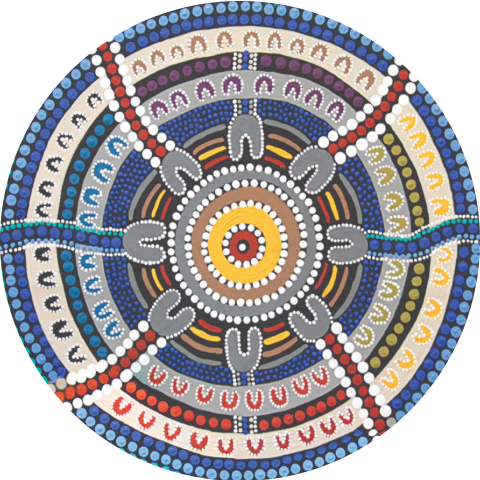
– I think art, no matter what genre, whether it’s theater, whether it’s poetry, whether it’s writing, whether it’s dance, is our creative juice, is our, you know, is connected with our spirit, is connected with our soul. I’m a member of the stolen generation. I was taken from my mother when I was 10 days old. My mother passed away three months before I found her. And it’s still a trauma that will live with me, be with me to the last day. But going home was where I met my extended family and a lot of my mother’s cousins, my aunties are artists. They would share their artwork with me which helped me to understand where I belonged and where I fitted in within the culture. I started painting in 1991, which was a way to share with my family where I’d been for 29 years. to share with my family where I’d been for 29 years. I can’t speak my language and art has become now my voice. Art was never really something that I saw as a career. It was rather an avenue for me to be able to look at my issues and get them out of my head and onto a canvas. So it became a tangible way for me to deal with a lot of the situations, the trauma that I’ve been through. I’ve done a lot of commission work for various organizations to do with various social justice issues around health. I do a lot of art healing workshops with other groups. I’ve done them with stolen generations, people with children in remand centers, where they’ve been in and out of foster homes over the years to help them to find their place and find their balance. And it’s not about making a pretty picture to show all the happy things, it’s about dealing with the hard issues. I was commissioned by Wellways to produce a painting to interpret the services that they were wanting to offer to Aboriginal and Torres Strait Islander people. So, it starts with the campfire. Then this represents the gray coming in to represent depression and issues around mental health. to represent depression and issues around mental health. With the artwork that I do, it’s based on Western desert art from central Australia. So the imagery of the campfire, the concentric circles in the center is serious. It’s Tjukurrparis, our law. And it can be used to interpret so many different things. And this one, it’s the campfire. Pathways out show the journeys that people go until they’re in their own place. And I’ve used colors of grays to show where no matter where we are, to show where no matter where we are, there are triggers that come up in our lives that might take us a steps back. And sometimes you might take us a few steps back but you can always go forward. The triangles represent the mind, the conflict and going from ping pinging inside. And so, with the support of the colors that are coming in for the services, they’ve now getting a clear pathway on how to go. And then as they go through their journey, until they’re in a place where they’re.

– In a good place.

– In a good place. The artwork I hope will provide another avenue for people to look at how they might be able to express themselves in where they’re at in their journey. Because art is a voice of the people. It’s an opportunity to be able to get what’s inside of you out.

Maroondah PARC

Contact us